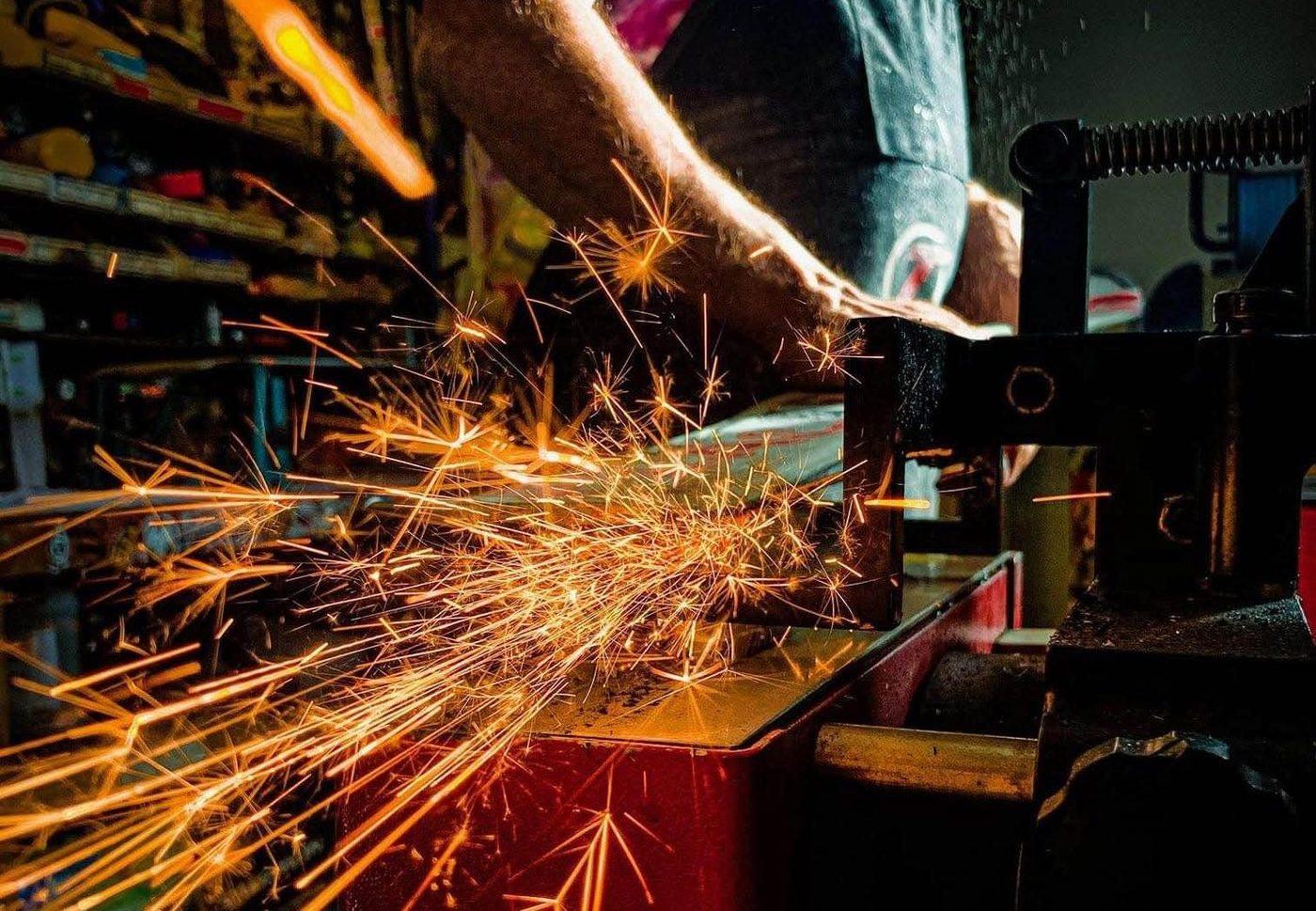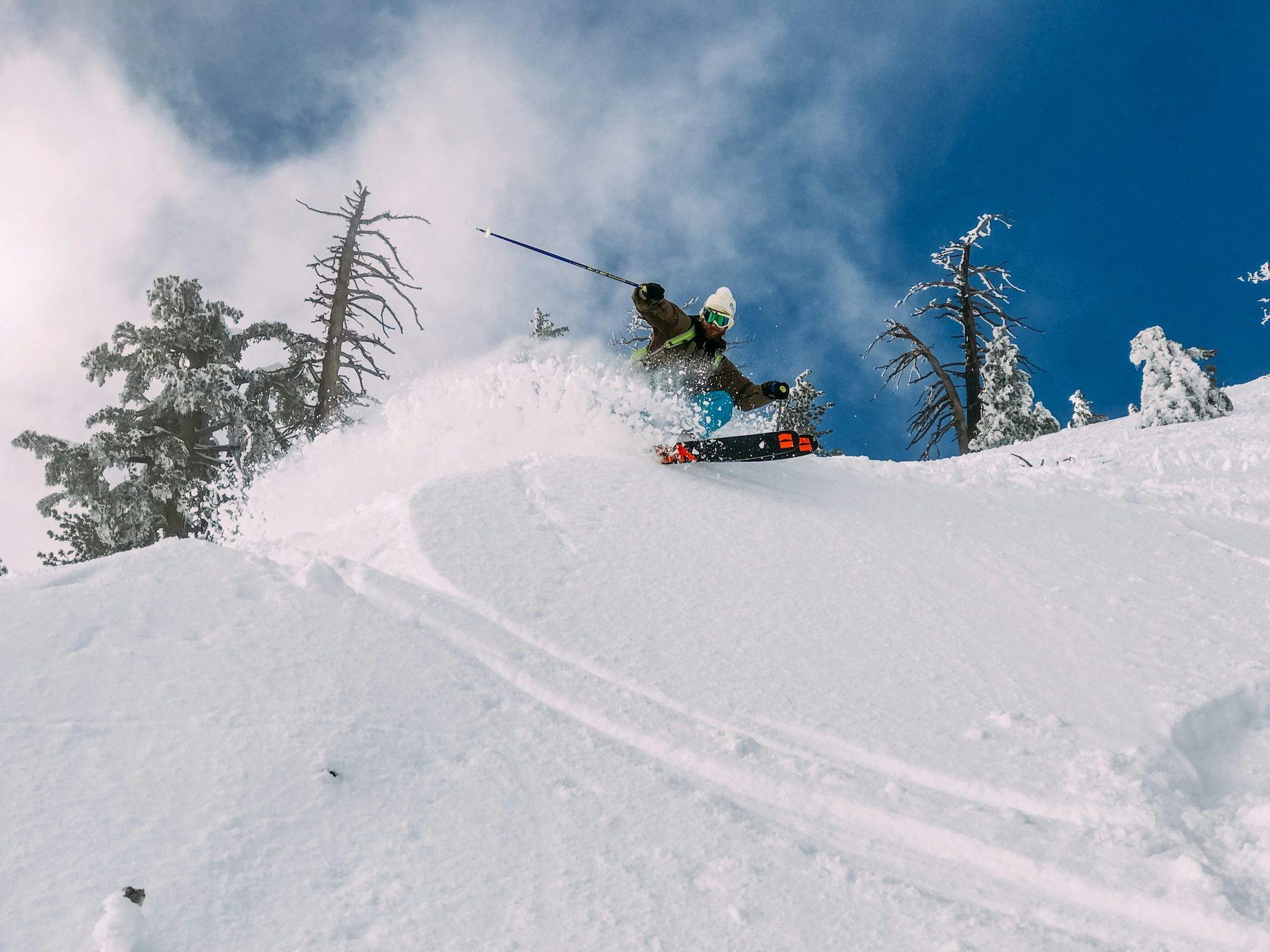
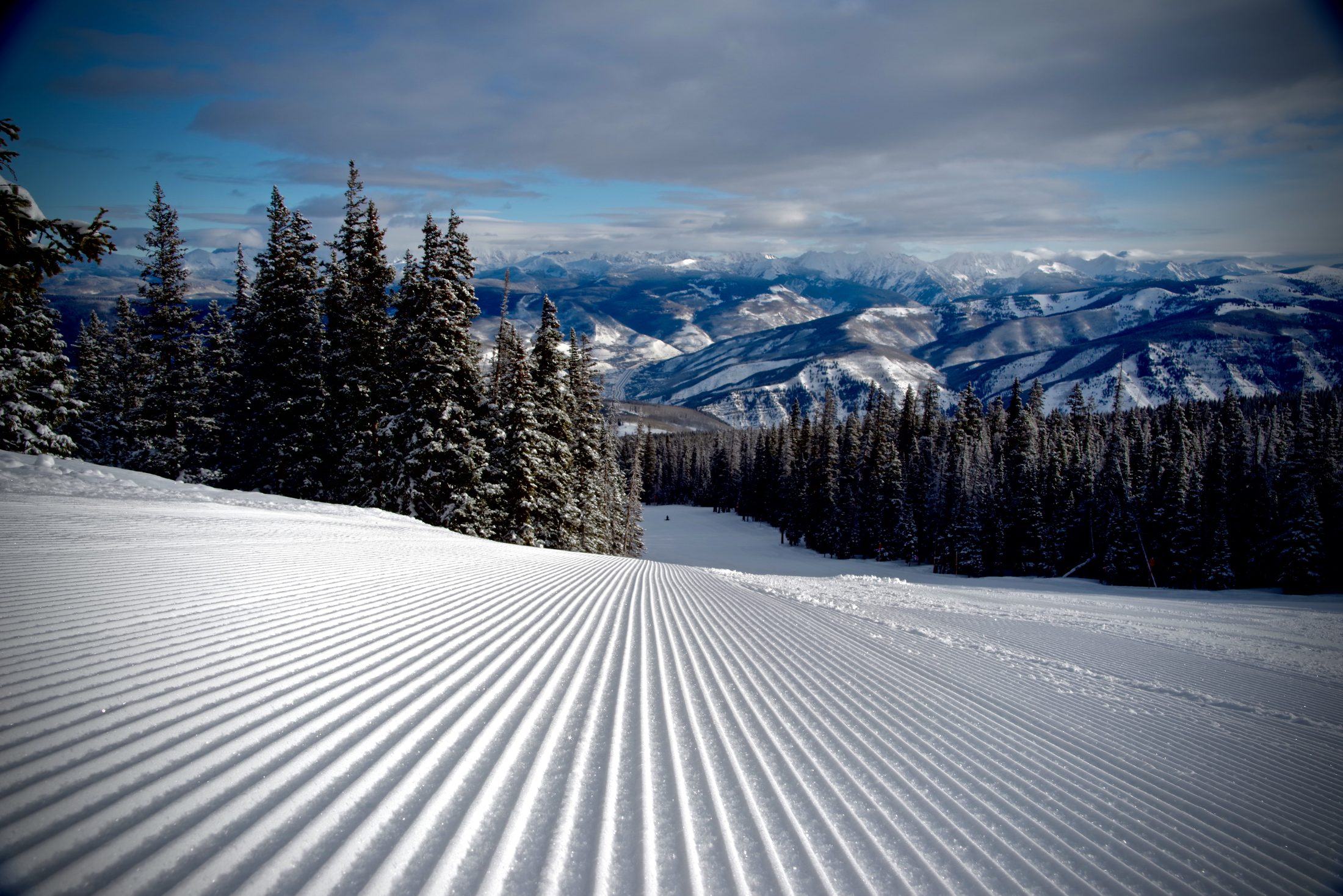
Speed and stability sound like opposites. In skiing they come from the same place: a ski that is flat, sharp and waxed correctly. A tuned ski runs faster because there is less friction, and it feels more stable because the edge engages where you put it instead of wandering. You don't need race-room equipment to get there. A few basics cover most of it.
Here's the short version of what actually matters, in plain terms, plus the mistakes we see most often at the bench in Idaho Springs.
Edge angles, without the jargon
A ski edge has two angles. The base edge sits underneath and controls how easily the ski pivots. The side edge is the one you can see and controls how hard it bites. Most recreational skis come from the factory at one degree on the base and one or two on the side. A sharper side angle grips harder on ice. A more aggressive base angle makes the ski pivot more easily but can feel hooky.
For most riders, the factory angles are right. What matters more is that they are consistent along the whole edge. A ski sharpened unevenly grips in one spot and slips in another, which reads as a twitchy ski even when the rest of the tune is fine.
If you have never thought about edge angles, you are not alone. Most skiers never ask. The angles still change every time an edge is sharpened by hand, which is one reason a consistent machine sharpen is worth paying for. Ask the technician what angles your skis have, and keep a note of it.
Wax by snow temperature
Wax comes in temperature ranges for a reason. Cold, dry snow in January wants a harder wax that resists abrasion. Wet, heavy spring snow wants a softer wax that sheds water. Using the wrong one is why a freshly waxed ski can still feel slow.
In plain terms: cold wax for cold snow, warm wax for warm snow, and an all-temperature wax when you don't know what you'll get. If you ski a lot of man-made snow, lean toward the harder end. It is more abrasive and wears softer wax off quickly.
A hot iron wax lasts longer than a quick rub-on because the heat opens the base and lets the wax soak in. If you ski a lot of man-made snow, which is more abrasive, it is worth waxing more often than you would on natural snow.
Quick wax guide
- Cold, dry snow well below freezing: hard cold-weather wax
- Average winter conditions: all-temperature wax
- Wet or spring snow: softer warm-weather wax
- Fresh natural snow: a touch softer than you'd use on man-made
- Man-made snow: harder wax, because it is more abrasive
Base structure and the stone grind
If you look closely at a base, it isn't perfectly smooth. It has a pattern of tiny lines, called structure, that channels water away as the ski slides. A stone grind cuts a fresh, consistent structure and flattens the base at the same time. That's why a stone-ground ski feels faster and tracks straighter: water escapes evenly instead of building up under the ski.
Structure matters more than most people think in wet snow, where a smooth base can actually stick. A grind every season or two keeps the pattern working, and it also removes the high spots that make a ski feel nervous. It is part of our full tune at $65.
Renting gear for this trip?
Maison de Ski fits skis, snowboards and snowshoes at I-70 Exit 241 in Idaho Springs, 25 miles from Loveland and on the way to every major I-70 resort. Early pickup is free after 2 PM the day before.
Flat is fast
A base that isn't flat rocks slightly from edge to edge, and a rocking ski is a nervous ski. It catches when you don't want it to and releases when you do. Belt sanding and stone grinding remove the high spot. Most skiers never think about base flatness, but it's the difference between a ski that feels solid at speed and one that feels twitchy.
You can check for it at home. Lay a straight edge across the base and look for daylight, or put the skis base to base and see if they rock. If they do, a belt sand will fix it. A flat base is one of the cheapest improvements you can make to a ski that feels unstable.
Common mistakes
The mistakes are usually small ones. Over-sharpening the base edge until the ski hooks. Waxing only the middle of the ski. Skiing on rust because it will wear off. Storing skis with wet edges pressed together. Letting a shop sharpen without asking what angles you want. None of these ruin a ski immediately, but together they explain why some skis feel great and others feel like work.
The fix is to tell the technician how you ski and what feels wrong. That one sentence is worth more than any chart of angles. A shop that asks questions before it touches the edges will usually give you a better tune than one that just runs every ski through the same machine.
Mistakes to avoid
- Sharpening the base edge too aggressively
- Skipping wax because the base still looks black
- Ignoring rust until it pits the steel
- Storing skis wet or strapped tight together
- Not telling the shop your preferred edge angles
What to ask for at the shop
Tell the technician how you ski and where. A groomer cruiser on the Front Range has different needs than a ski that spends its weekends in the trees at Winter Park. Mention any specific complaint: chattering on ice, hooking in turns, slow glide, a base that looks dry.
At Maison de Ski, no appointment is needed and same-day service is the norm, so you can drop skis off in the morning and pick them up on the way home. If you're in a hurry, drop off before 10:00 AM and expedited service guarantees the work by 5:00 PM for $20 extra.
Common questions
What edge angle should my skis have?
Most recreational skiers are fine with the factory settings, usually one degree on the base and one or two on the side. A sharper side edge holds better on ice, while a more aggressive base edge makes the ski pivot more easily but can feel hooky. Tell the shop how you ski and they can match the angles to you.
Does wax temperature really matter?
It does, especially in Colorado where snow conditions change fast. Hard cold-weather wax lasts longer and runs faster in cold, dry snow, while softer warm wax sheds water better in wet spring conditions. An all-temperature wax is a good compromise when you don't know what you'll get.
What does a stone grind do?
A stone grind cuts a fresh structure into the base and flattens it at the same time. The structure channels water away as the ski slides, which improves glide and stability at speed. It is included in the full tune at $65 at Maison de Ski.